Transform Your Vehicle: The Complete Guide to Car Wrapping Services
Car wrapping has become a popular method for vehicle transformation. This creative technique allows for personalization while offering safeguarding for the factory finish. With multiple choices available, individuals can achieve distinctive looks without the lasting nature of traditional paint. However, comprehending the intricacies of car wrapping, including installation and maintenance, is crucial. What makes this offering attractive, and how can one guarantee a quality installation? The answers lie in exploring the details further.
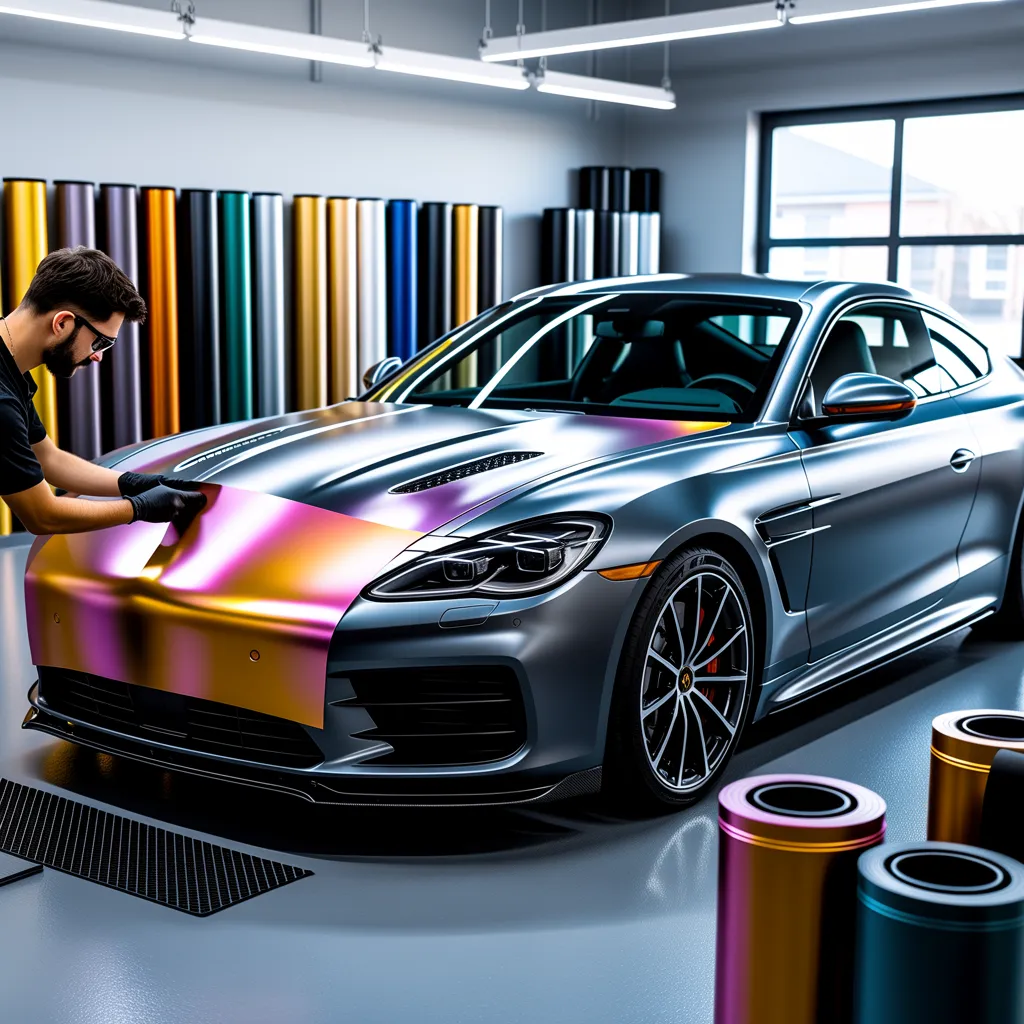
How Can Auto Wrapping Work and What Is It?
Car wrapping is an effective method that entails applying a durable vinyl film over the original paint of a vehicle. This process enables a wide range of colors, textures, and finishes, permitting owners to personalize their vehicles without the durability of traditional paint. First, a comprehensive cleaning of the vehicle’s surface is performed to ensure proper adhesion. Afterwards, the vinyl film gets carefully measured and cut to perfectly fit each section of the vehicle. Expert technicians apply the film next, utilizing specialized tools to eliminate air bubbles and ensure a flawless finish. The film material is flexible by design, allowing it to conform to the vehicle’s shapes and curves. When applied correctly, the film lasts for several years, acting as a protective layer that guards against scratches and UV exposure. Ultimately, car wrapping provides an innovative solution for both appearance improvement and vehicle protection.
Advantages of Car Wrapping Versus Traditional Painting
Opting visit resource for car wrapping instead of conventional paint jobs provides numerous advantages that appeal to vehicle owners. One significant benefit is the versatility of design; wraps can effortlessly be customized with colors, patterns, and textures, allowing for one-of-a-kind personalization. Additionally, car wraps can be put on in a small portion of the time it takes to paint a vehicle, minimizing downtime for owners.
Durability offers one more benefit; excellent wraps provide protection against UV rays, scratches, and environmental elements, often maintaining their condition for several years with proper care. In contrast, traditional paint can chip and fade more easily.
Moreover, car wrapping provides reversibility, permitting owners to transform their vehicle's visual appeal without permanently damaging the original paint, which can help sustain resale value. Finally, wraps are typically more economical than a full paint job, making them an desirable option for those seeking to transform their vehicle's visual style without exceeding their budget.
Various Kinds of Vehicle Wraps for Your Car
When considering car wraps, numerous choices are available to suit individual tastes. Vinyl wraps offer a selection of hues and finishes, while specialty wraps deliver unique designs for a standout look. Additionally, the decision between flat and shiny finishes can substantially influence the overall appearance of the vehicle.
Vinyl Laminate Solutions
Vinyl wrap options for vehicle personalization are varied, each catering to different visual preferences and practical needs. Standard wraps usually have a glossy or matte finish, providing a sleek appearance. Satin wraps blend both, delivering a subtle sheen that accentuates the vehicle's lines. Those looking for a distinct look can choose textured wraps like carbon fiber or brushed metal, which emulate high-end materials and bring depth and sophistication. Color-changing wraps provide versatility by letting vehicles shift hues depending on the light angle. Solid color wraps offer a bold appearance, while digital prints enable detailed designs and graphics. All options improve the vehicle’s appearance and preserve the original paint.
Specialty Wrap Varieties
Beyond standard vinyl choices, custom wraps offer distinctive options for car personalization that suit personal preferences and specific purposes. These wraps feature chrome finishes, which deliver a reflective, glossy appearance, ideal for those wanting a striking look. Carbon fiber coverings mimic the look of real carbon fiber, contributing a sporty touch while staying light and long-lasting. Furthermore, textured coverings, such as brushed metal or leather surfaces, allow for a sensory feel that distinguishes a vehicle apart. For marketing purposes, bespoke graphic coverings enable businesses to display their brand identity effectively. Each specialty wrap not only enhances the car's appearance but also safeguards its factory finish, making them a practical choice for numerous automotive fans.
Matte versus Shiny Finish
What distinguishes matte and gloss surfaces in vehicle wrapping? Matte surfaces present a non-reflective, downplayed look, engaging those seeking a sophisticated, modern aesthetic. This texture can hide blemishes and is less inclined to showing smudges, rendering it preferred by auto aficionados. Nonetheless, matte wraps need dedicated care to maintain their finish and can be more prone to scratches.
Conversely, gloss finishes deliver a shiny, vibrant appearance, amplifying colors and giving vehicles a refined, striking finish. This type reflects light, making it ideal for showcasing detailed patterns or emblems. While glossy applications are easier to clean and maintain, they may display imperfections more readily. Finally, the choice between matte and gloss depends on personal preferences and desired aesthetics.
Expectations for Your Car Wrapping Process
Car wrap installation modifies a vehicle's look with attention to detail and accuracy. Initially, the vehicle is thoroughly cleaned to eliminate any dust, oils, or particles that could affect adhesion. Technicians then examine the surface for flaws, confirming a flawless finish.
Once completed, the selected vinyl wrap is carefully measured and cut to fit the vehicle's contours. During the application phase, the wrap is applied using professional-grade equipment to prevent air bubbles and wrinkles. This task necessitates attention to detail, as each section must match up perfectly with adjacent parts to create a seamless finish.
After the covering is installed, surplus material is removed, and the borders are tightly secured or bonded. A final inspection is conducted to ensure that each section complies with quality benchmarks. This meticulous approach delivers an impressive overhaul that enhances the vehicle's aesthetic while delivering a shielding barrier.
Maintenance Tips for Maintaining Your Car Wrap Appearing Fresh
To maintain a car wrap, ongoing care is required to preserve its vibrant and new look. Routine washing is key; washing by hand with a gentle soap and a soft applicator helps prevent scratches that can damage the vinyl. Steering clear of automatic car washes with brushes is recommended, as they cause abrasion and may lead to peeling.
Furthermore, applying UV protection can defend the wrap against sun damage, keeping its colors. Positioning in shaded zones or applying car covers can substantially lower exposure to damaging UV light. With persistent stains, a mild solvent made for vinyl wraps may be applied, but you should check on a small section first.
Routine checks for any signs of wear, such as lifting edges or bubbles, allow for quick fixes, ensuring the wrap remains intact. Following these maintenance tips will significantly prolong the durability and look of a car wrap, keeping it appearing brand new.
How Can You Find Trustworthy Car Wrap Services in Your Area?
Identifying reliable car wrapping services can substantially enhance the longevity of a vehicle's wrap. To locate reputable providers, people should begin by consulting web-based ratings and ratings on channels like Google, Yelp, or social media. These platforms often feature customer testimonials that highlight service quality, expertise, and artistry.
In addition, asking for recommendations from your network who have previously employed car wrapping services can furnish valuable insights. It is also wise to visit local car showcases or car clubs, where experts often highlight their accomplishments.
Once a shortlist is put together, potential patrons should solicit proposals and portfolios to determine the excellence of prior undertakings. Engaging in direct conversations with contractors allows for queries about their experience, materials used, and warranties offered. Finally, meticulous investigation and personal referrals are essential for discovering trustworthy car wrapping providers that meet specific needs.
Comprehending Expense Components for Vehicle Wraps
Understanding the price factors for car wrapping requires several key elements. Quality of the materials significantly affects the overall price, while the design complexity can increase the expense. Additionally, installation labor expenses must be considered, as they vary based on the intricacies of the wrap process.
Material Quality Plays a Role
The grade of material plays an essential role in establishing the total cost of vehicle wrap solutions. Premium vinyl films typically come with advanced features such as better durability, UV resistance, and simple installation. These products not only enhance the visual appeal but also prolong the life of the wrap, decreasing frequent replacements. In contrast, budget options may save initial costs but often lead to quicker wear and fading, causing additional expenses over time. Additionally, premium materials often demand expert application methods, impacting labor costs as well. Consequently, the choice of material significantly impacts both initial expenditure and long-term value, making it a vital consideration for vehicle owners contemplating a wrap.
Design Intricacy Factors
How does design complexity influence the total price of car wrapping services? The detail of a vehicle's design greatly affects pricing. Basic styles, with solid colors or simple visuals, typically incur lower costs due to less material waste and simpler installation. In contrast, complex designs with detailed motifs, gradients, or multiple colors require additional time and skilled labor, thereby increasing expenses. Additionally, the need for precise alignment and cutting can further raise expenses. Clients should also keep in mind the potential for additional design revisions, as more complex visuals may require multiple drafts. Ultimately, understanding the connection between design complexity and cost is essential for clients seeking to attain their desired aesthetic while managing their budget efficiently.
Implementation Service Costs
Installation labor charges account for a considerable part of the overall expenses related to car wrapping services. These charges may vary significantly according to several factors such as the design's intricacy, vehicle size, and installer skill level. For example, detailed patterns or wraps that need extra trimming and modifications demand additional time and skill, leading to increased labor fees. Moreover, larger vehicles typically incur greater labor costs due to the increased surface area and the corresponding installation time required. Prospective clients should get detailed estimates that itemize labor costs and factor them in when planning their car wrapping budget. Comprehending these aspects ensures prudent decision-making.
Regularly Inquired Topics
How long Does a Car Wrap Typically Last?
A car wrap usually lasts between five to seven years, dependent upon factors such as environmental conditions, maintenance, and application quality. Proper care can extend its lifespan, preserving appearance and effectiveness over time.
Is it Doable to Take off a Car Wrap By yourself?
Yes, a car wrap can potentially be removed by an person, although it requires precise handling to avoid damaging the vehicle's paint. Heat guns or removal solvents may assist in the process for more straightforward removal.
Does a Car Wrap harm My Vehicle's Paint?
A car wrap generally doesn't harm the car's exterior if installed and taken off properly. Nevertheless, incorrect application or extended time can result in sticky problems, potentially affecting the paint underneath when taken off.
Can You find guarantee plans for vehicle wraps?
Yes, many car wrap providers offer warranty options that often cover imperfections in materials and installation. Customers need to inquire about explicit terms, including length of coverage and extent, to secure suitable protection for their monetary investment.
Can I wrap a rented vehicle?
Yes, a leased car can be covered, but it's necessary to inspect the lease agreement for any restrictions. Correct removal is critical to avoid damage and guarantee adherence with return conditions set by the leasing company.